Hidden Gems of the Tezos Ecosystem [Part V]
5 More Tezos Tools You Might Not Know About
6 minute read
At this point, it’s safe to say the Tezos ecosystem isn’t short on tools.
If anything, the real challenge is keeping up with them. New ideas keep popping up, builders keep shipping, and somewhere in between all that, a lot of genuinely useful tools fly under the radar.
That’s exactly what this series is about.
“Hidden Gems of the Tezos Ecosystem” is all about surfacing those tools, the ones you might not hear about every day, but once you find them, they just make sense to have in your rotation.
Part V is no different. A mix of discovery, data, notifications, and even a bit of infrastructure, built by people who are clearly paying attention to the gaps and quietly filling them.
Let’s get into it.
1. REJKT #
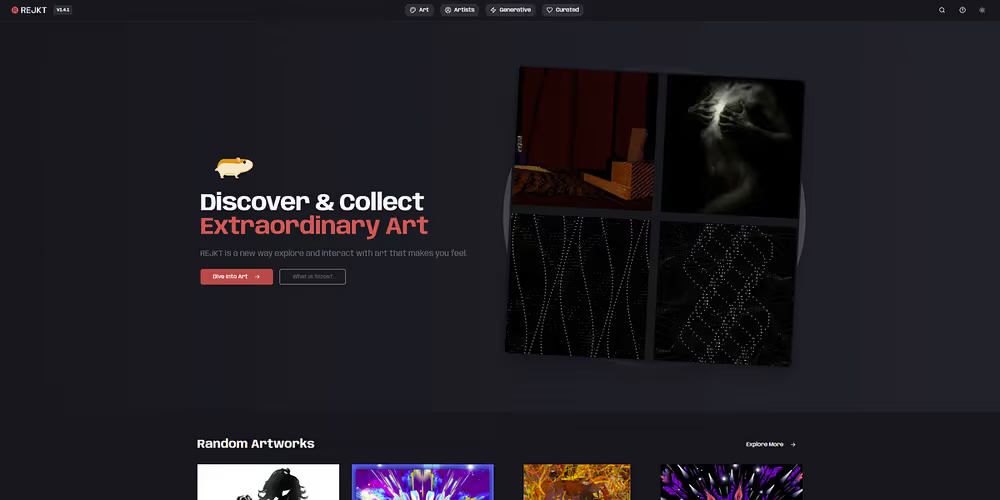
There’s no shortage of art on Tezos. If anything, that’s the problem.
With new pieces constantly being minted, it’s easy for great work to get buried under the noise, especially if you’re just scrolling through marketplaces hoping something catches your eye.
REJKT is a tool built around that exact problem, built by FAFOlab.
Instead of trying to be another place to buy or mint, it focuses purely on discovery. It pulls in live listings from across the ecosystem and presents them in a clean, visual feed, letting you explore art first without all the usual distractions.
It’s a simple idea, but a useful one. If you enjoy collecting and want a better way to stumble across pieces that might otherwise go unnoticed, REJKT is worth having in your rotation.
2. objktify.com #
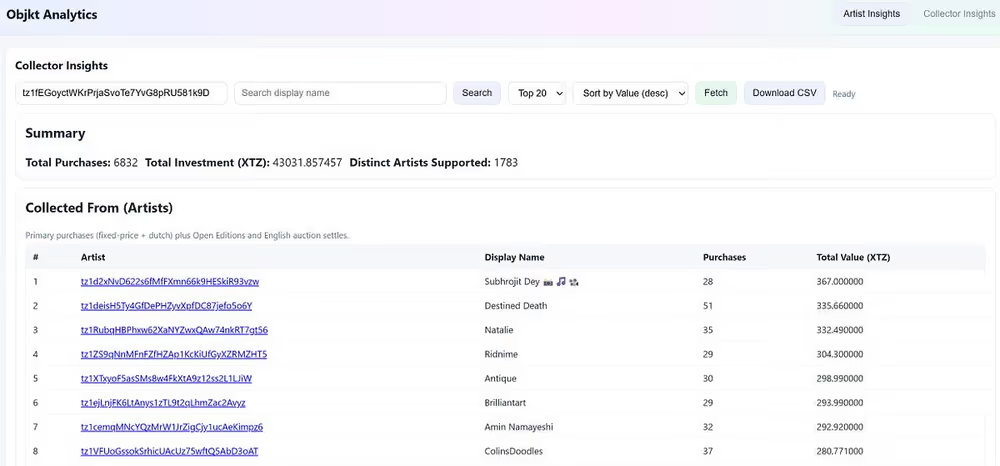
At some point, you start wondering… how much have I actually done on Objkt?
Not just recent activity, but everything. Who collects your work the most, who you keep buying from, how it all adds up over time.
objktify is a tool that gives you exactly that.
Built by Mark Kelly, it taps into the Objkt API and lets you pull detailed stats just by dropping in a Tezos address. Whether you’re an artist or a collector, you get a clearer picture of your activity without having to piece it together manually.
It’s one of those tools you don’t think about until you use it, and then suddenly you’re going down the rabbit hole of your own on-chain history.
Fair warning though… some of those numbers might surprise you.
3. FART NOISES #
Yeah… the name kind of says it all.
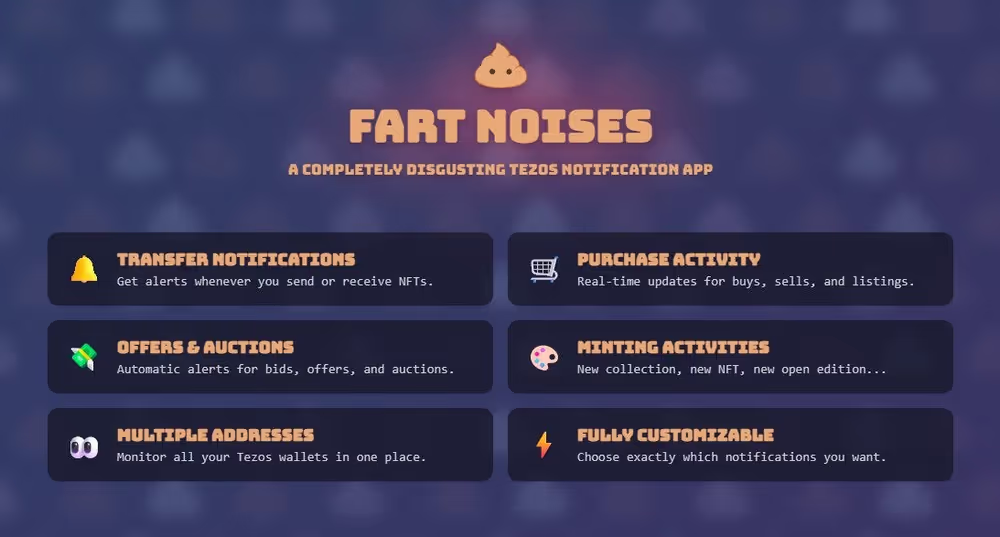
FART NOISES is a tool built by JackTezos that sends you Telegram notifications for pretty much everything happening around your Tezos NFTs. Purchases, sales, offers, mints, listings, all of it.
If you’ve been around the ecosystem for a while, you’ve probably come across some of Jack’s other tools already. He tends to mix useful ideas with a bit of humor — and this one is no different.
You can track multiple wallets, choose exactly what kind of alerts you want for each one, and get real-time updates without having to constantly check marketplaces.
It’s one of those tools that sounds like a joke at first, but ends up being genuinely useful, especially if you’re active and don’t want to miss anything important.
Also, fair warning… it might make noise when you click.
4. Porcupin #
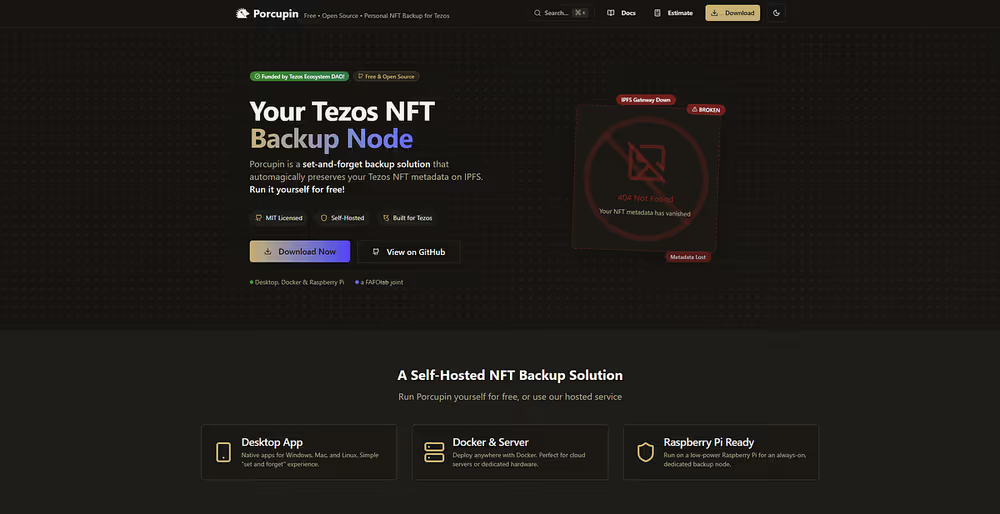
Porcupin is a tool by FAFOlab focused on backing up and preserving Tezos NFTs.
It allows you to run your own node that monitors specific wallets and automatically pins the underlying media, helping ensure everything stays available over time. You can choose what to track and essentially take control over how your NFTs are stored and maintained.
The project was funded through the Tezos Ecosystem DAO after receiving community support, and it’s another example of FAFOlab building useful tools for the ecosystem, something we’ve already seen with REJKT as well.
It’s open-source, self-hosted, with plans for a hosted option as well, and designed for those who want a more hands-on approach when it comes to their collections.
Not a tool for everyone, but definitely one that adds an important layer to the ecosystem.
5. IPFS Trace #
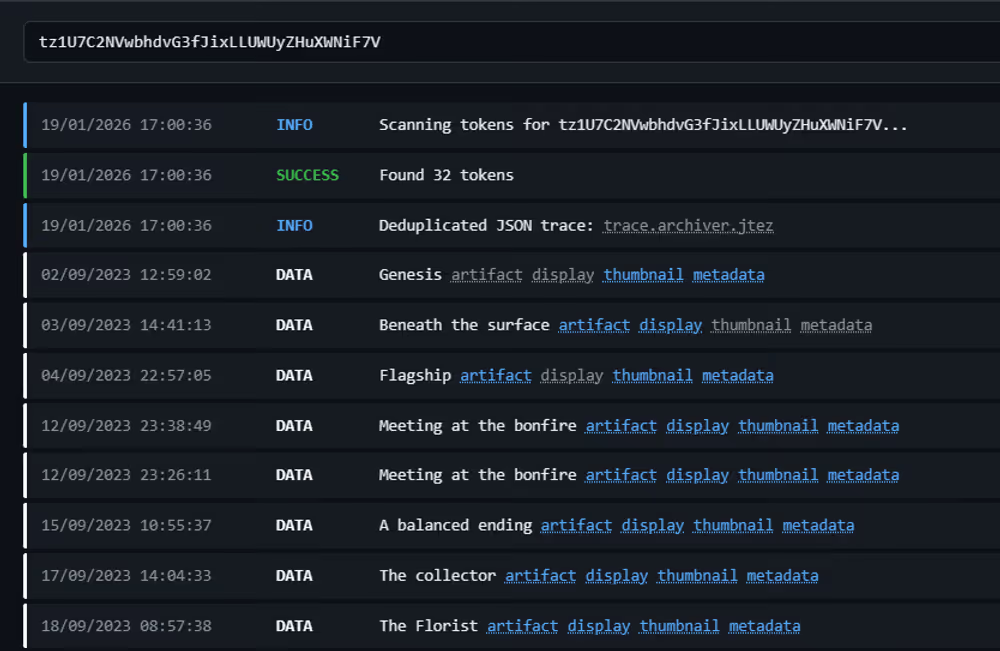
Another one from JackTezos, but this time leaning a bit more into the technical side.
IPFS Trace is a tool that lets you scan a Tezos address and trace all the artifacts it has generated on IPFS. In practice, that means you can see the underlying files, metadata, and related links tied to NFTs from a specific wallet.
It was originally built to help debug tools like the Tezos Archiver (which I covered in Part IV), but was later shared with the community in a cleaner, more accessible way.
Like some of Jack’s other tools, it keeps things simple and focused. You drop in an address, and it gives you a clearer view of what’s happening behind the scenes.
A useful little window into the infrastructure side of things, especially if you like understanding what’s actually going on under the hood.
And that’s another five tools added to the list.
Different use cases, different builders, different levels of complexity — but all of them solving something in their own way. That’s kind of the pattern you start noticing with Tezos. People see a gap, build something around it, and just put it out there for others to use.
There’s a lot more out there, too. Always has been.
So yeah… I’ll see you in Part VI.
Maybe.
Who am I kidding, of course there’s going to be a Part VI.